Leave a Message

Thank you for your message. We will be in touch with you shortly.

WHAT HOME SELLERS SHOULD KNOW

WHAT IS A HOME VALUATION/MARKET ANALYSIS AND HOW THEY ARE CONDUCTED

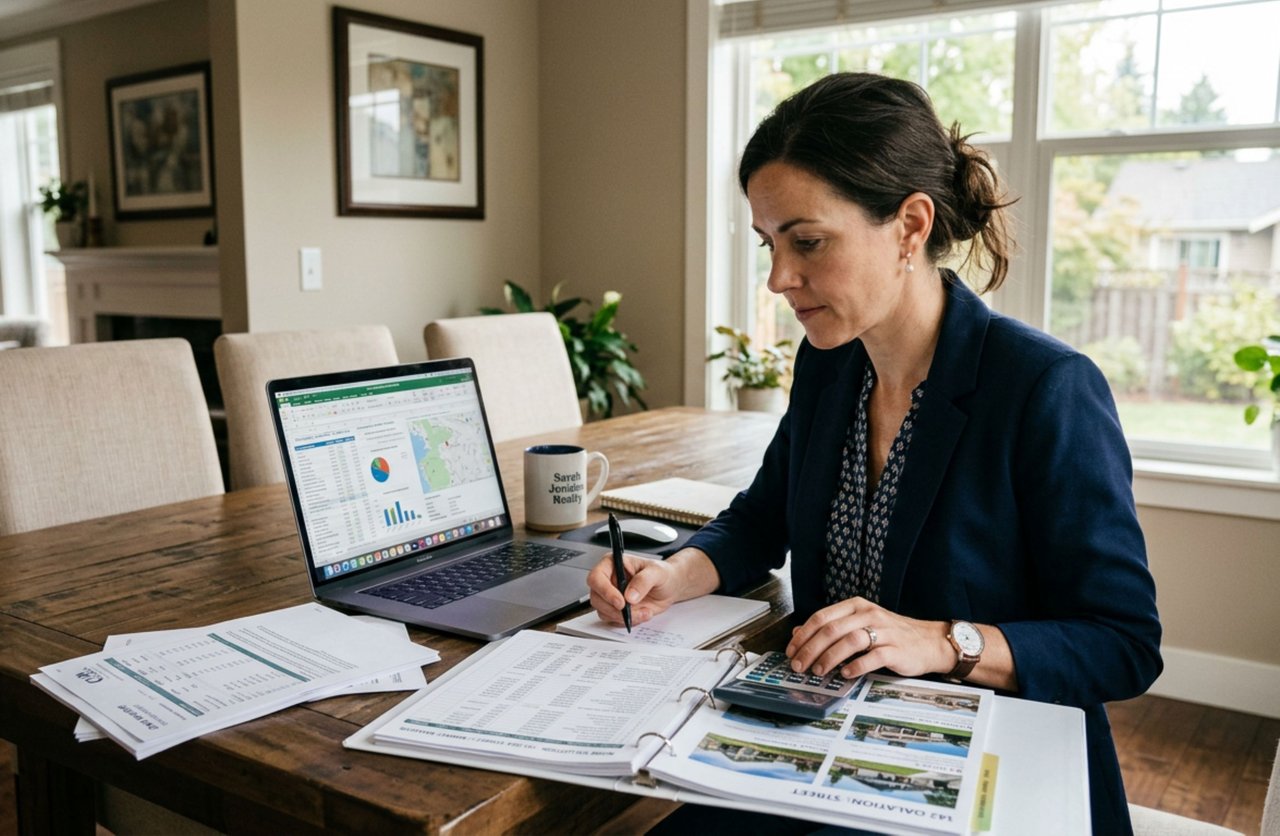
A real estate home valuation is a professional assessment that determines the current market value of a residential property based on factors like location, size, condition, and recent sales data of comparable homes in the area. This process is a cornerstone of the real estate industry, serving as a critical roadmap for sellers to set competitive listing prices and for buyers to ensure they are not overpaying. Beyond simple buying and selling, valuations are required by lenders to safeguard mortgages, by local governments to determine property taxes, and by homeowners looking to calculate available home equity. Formal valuations are typically conducted through a Comparative Market Analysis (CMA) by a real estate professional or a more detailed appraisal performed by a licensed professional.

main

To determine a home value several detailed steps are taken to ensure accuracy. All homes are different. The factors to consider when preparing a CMA/Appraisal are physical characteristics, curb appeal, location, age of the home, condition of the home and recent market data. The process involves a thorough inspection of the home's interior and exterior condition, total square footage, and key features like the number of bedrooms and bathrooms. These factors are then compared against "comps," which are similar properties in the same neighborhood that have recently sold, to establish a baseline price that is adjusted for differences in upgrades or repairs. External forces, such as local school district ratings, current interest rates, and the broader balance of supply and demand, also play a critical role in finalizing the valuation to ensure it reflects what a willing buyer would pay and what a mortgage institution would lend in the current market/financial environment.


ARE ONLINE HOME VALUATIONS ACCURATE?

Online home valuations, often called Automated Valuation Models (AVMs), provide a convenient starting point for estimating property value but typically lack the precision required for significant financial decisions. These tools struggle because they cannot take into account interior conditions, recent upgrades, or unique features like views and landscaping. In addition, their methods may lag behind rapid market shifts or misinterpret local nuances, such as the value difference between a quiet cul-de-sac, a private setting or a busy main road. Consequently, while useful for casual research, they are not a substitute for a professional Comparative Market Analysis (CMA) or a licensed appraisal. For the most accurate data, seek the advice of a real estate professional or licensed appraiser.

main

WHAT SHOULD I DO TO PREPARE MY HOME TO SELL

Preparing your home for sale can appear on the surface to be a daunting task. The basics of this preparation can fall into three categories. Cleaning, repairs and staging. The objective is to create space where potential buyers envision their own lives.

  • Clean and Declutter: A spotless, clutter-free home is essential because it photographs better and appears larger to prospective buyers.
    • Ruthless Decluttering: Remove excess furniture, knick-knacks, and personal items like family photos or collections. Clearing horizontal surfaces—such as kitchen counters and bathroom vanities—creates clean lines that highlight the home's architecture.
    • Deep Cleaning: Perform a top-to-bottom scrub of every room, paying special attention to kitchens and bathrooms. Steam-cleaning carpets and washing all windows inside and out can remove odors and maximize natural light, making the space feel fresh and well-cared for.
    • Depersonalizing: Pack away sentimental items and personal memorabilia to help buyers imagine themselves in the space without being distracted by your unique style.
main

Strategic Repairs and Updates

Rather than major renovations, focus on minor fixes that signal a well-maintained property.

  • The "Must-Dos": Fix obvious maintenance issues like leaky faucets, squeaky doors, cracked tiles, and burnt-out light bulbs. Buyers often perceive these small flaws as signs of deeper, neglected problems.
  • High-ROI Updates: Apply a fresh coat of neutral paint to brighten rooms and hide scuffs. Replacing outdated hardware on cabinets and doors is a low-cost way to modernize the home instantly.
  • System Checks: Ensure major systems like HVAC, plumbing, and electrical are in good working order. Providing maintenance records for these can build significant trust with savvy buyers.
  • Consider a home inspection: Hiring a licensed home inspector can identify hidden defects you may not notice or be aware of. Addressing these issues prior to bringing the home to market can help you prepare for a smoother transaction.
main

Staging and Curb Appeal

First impressions are critical, as many buyers form their initial opinion from the street or online photos.

  • Boost Curb Appeal: Power wash the siding, mow the lawn, and add fresh mulch or seasonal flowers. Updating the front door, either with a new one or a fresh coat of paint—can offer an exceptionally high return on investment.
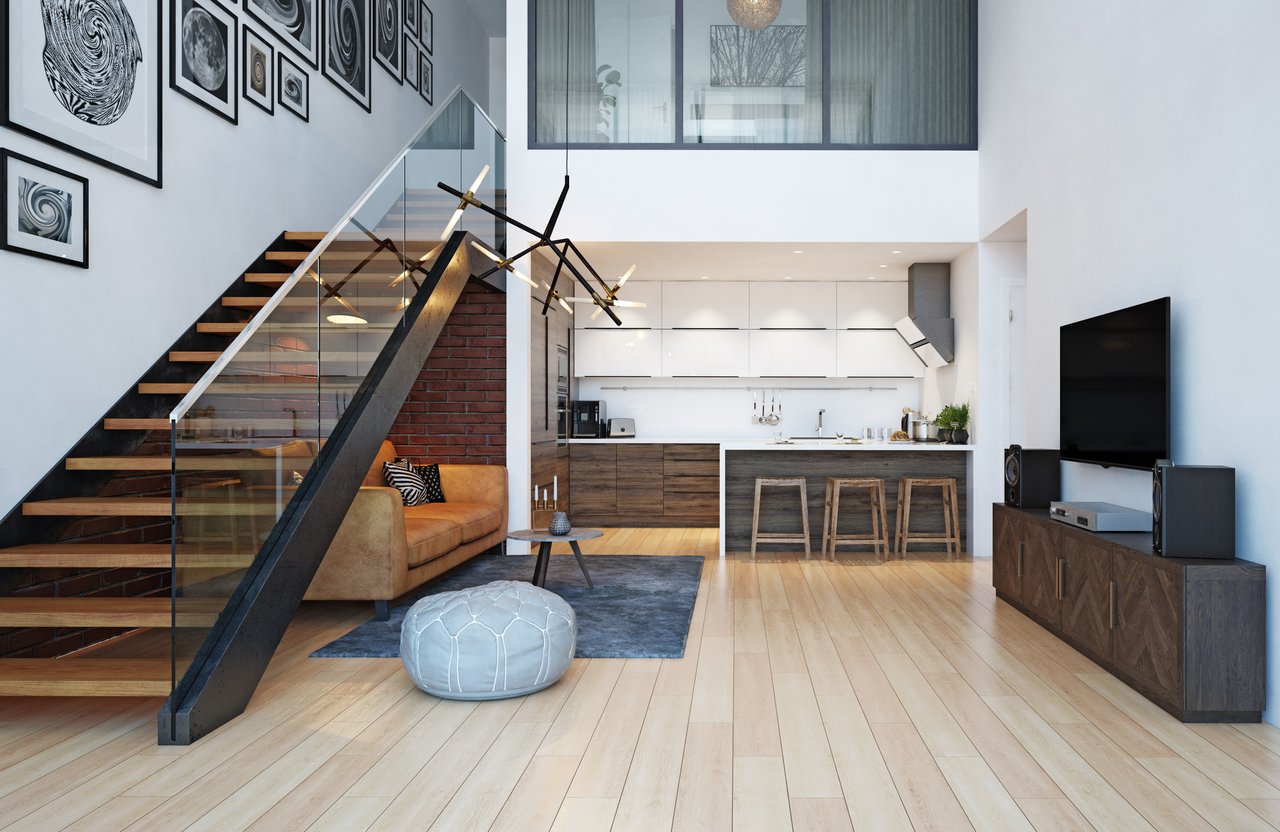
  • Interior Staging: Arrange furniture to maximize flow and highlight focal points like a fireplace. Use neutral decor, such as white towels in the bathroom or fresh plants, to create a spa-like, move-in-ready atmosphere. In many instances consulting a staging expert can increase offers and lower days on market.
  • Lighting: Open all blinds and curtains to let in natural light and turn on all lights during showings to make rooms feel more open and inviting.

Let’s Make Your Next Move Exceptional

Whether you’re buying, selling, or exploring your options, Berkshire Hathaway HomeServices Nutshell Realty is here to guide you with expertise, integrity, and personalized attention.

Follow Me on Instagram